
Your car’s brakes are one of the most important safety features you have. But how often should you change them to keep yourself and others safe on the road?
If you’re unsure when it’s time to replace your brakes, you’re not alone. Ignoring worn brakes can lead to costly repairs or even dangerous accidents. You’ll discover clear signs to watch for and simple guidelines on when to change your brakes.
Keep reading to protect your car and your peace of mind.
Signs Your Brakes Need Changing
Knowing when to change your car’s brakes is crucial for your safety and the performance of your vehicle. Brakes don’t always give a clear warning, but there are specific signs you can watch out for. Paying attention to these signals can help you avoid costly repairs and dangerous driving situations.
Squeaking And Grinding Noises
Have you ever heard a high-pitched squeak when you press the brake pedal? This noise often means the brake pads are wearing thin. The squeak is caused by a small metal indicator designed to alert you before the pads completely wear out.
Grinding sounds are more serious. They usually indicate the brake pads are gone, and metal parts are rubbing against the rotor. If you hear grinding, it’s time to get your brakes checked immediately to avoid damage to the rotors.
Reduced Braking Performance
Does your car take longer to stop than it used to? Reduced braking power is a clear sign your brakes need attention. This can happen because of worn brake pads, leaking brake fluid, or air in the brake lines.
Never ignore this feeling of “soft” brakes. It’s dangerous and can lead to accidents. If you notice this, test your brakes in a safe area and schedule an inspection right away.
Vibration Or Pulsation
When you apply the brakes, do you feel a vibration or pulsation in the brake pedal or steering wheel? This often points to warped rotors. Warped rotors cause uneven contact with the brake pads, which can reduce braking efficiency.
Driving with this issue can worsen brake wear and affect your control over the vehicle. If you experience this sensation, have a mechanic check your rotors and brake system promptly.
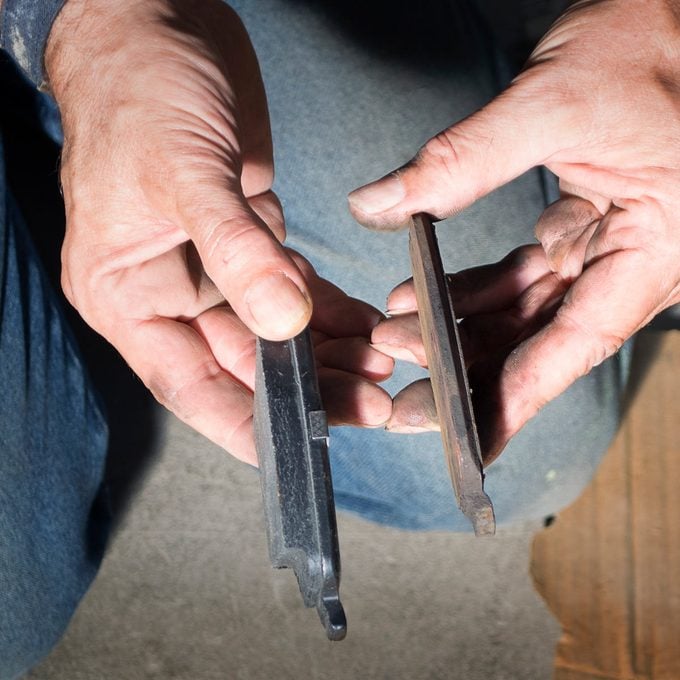
Credit: www.familyhandyman.com
Factors Affecting Brake Lifespan
Brake lifespan varies greatly due to several factors. Understanding these helps you maintain safe driving and avoid sudden brake failures. Some factors are within your control, others depend on your car or environment.
Driving Habits
How you drive impacts brake wear a lot. Frequent hard stops or rapid acceleration wears brakes faster. Smooth and gradual braking extends brake life. City driving with many stops causes more wear than highway driving. Using engine braking can reduce pressure on brake pads.
Brake Type And Quality
Different brake materials last different times. Ceramic brake pads usually last longer than organic ones. High-quality brake parts resist heat and wear better. Cheap or low-quality brakes may wear out quickly. Your car model also determines the type of brakes used.
Road Conditions
Driving on rough or hilly roads wears brakes faster. Constant braking downhill heats brakes and causes faster wear. Dusty or sandy roads can cause brake parts to wear prematurely. Wet or salty roads may cause corrosion on brake parts. Regular checks help spot damage from harsh road conditions.
Recommended Brake Replacement Intervals
Knowing the recommended brake replacement intervals helps keep your car safe and reliable. Brakes wear down over time, and replacing them at the right moment avoids accidents and costly repairs. Proper timing extends the life of other car parts as well. Different factors like driving style and car type affect how often brakes need changing.
Mileage Guidelines
Brake pads usually last between 30,000 and 70,000 miles. This range varies by vehicle and driving conditions. Heavy city traffic or mountainous roads can wear brakes faster. Always check your car’s manual for specific mileage advice.
- 30,000 to 70,000 miles is the typical brake pad lifespan
- Driving in stop-and-go traffic shortens brake life
- High-speed driving may cause quicker wear
Inspection Frequency
Regular brake inspections catch issues early. Experts suggest checking brakes every 10,000 to 15,000 miles. Signs like squeaking, vibration, or longer stopping distances mean it’s time to inspect sooner. Frequent checks prevent sudden brake failure and keep you safe on the road.
Professional Maintenance Tips
Trust a skilled mechanic for brake inspections and replacements. They measure brake pad thickness and check rotors. Proper installation ensures brakes work correctly. Ask about brake fluid replacement too, as old fluid reduces braking power. Keeping brake parts clean also improves performance and lifespan.

Credit: toplegalfirm.org

Credit: www.reddit.com
Frequently Asked Questions
How Often Should Car Brakes Be Replaced?
Car brakes typically need replacement every 30,000 to 70,000 miles. This varies by driving habits and brake type. Regular inspection helps detect wear early and ensures safety.
What Signs Indicate Brake Pads Need Changing?
Common signs include squealing noises, reduced braking power, and vibration. If the brake warning light appears, check pads immediately. Prompt replacement prevents damage to rotors and ensures safe driving.
Can Driving Style Affect Brake Lifespan?
Yes, aggressive braking and frequent stop-and-go traffic wear brakes faster. Smooth, gradual braking extends brake pad life. Adjusting driving habits can help delay brake replacement and save maintenance costs.
Is It Safe To Drive With Worn Brakes?
Driving with worn brakes is unsafe and increases accident risk. Brake performance declines, making stopping difficult. Replace worn brakes immediately to maintain vehicle safety and avoid costly repairs.
Conclusion
Regular brake checks keep your car safe and running well. Changing brakes depends on driving habits and car type. Watch for signs like noise or less stopping power. Don’t wait for a problem to start repairs. Routine maintenance saves money and prevents accidents.
Stay alert and act quickly when brakes feel different. Safe driving begins with good brake care. Remember, your brakes protect you every day. Keep them in top shape to drive with confidence.